Before a single gallon of water ever fills a pool, the hard part is already over. The earthwork, the dig, the grade, the drainage, the haul-off, is what decides whether your finished pool sits level and dry for twenty-five years or heaves and cracks after three winters. In Western PA, where heavy clay, freeze-thaw cycles, and sloped lots are the norm rather than the exception, the excavation phase is where good builds separate themselves from bad ones. This guide walks through what actually happens in the first two weeks of a pool project across Butler, Allegheny, and Beaver counties, and why the parts you never see matter most.
On this page
Layout and utility locates
Earthwork does not start with a machine. It starts with paint and a phone call. Before anyone digs in Pennsylvania, the law requires a call to PA One Call (811) at least three business days ahead so the utility companies can mark gas, electric, water, and communication lines. In older Pittsburgh-area neighborhoods, abandoned lines that never got documented are common, so a careful crew probes by hand near any marked utility rather than trusting the paint alone.
Once the site is clear, the pool footprint gets staked and spray-painted, offset a foot or two beyond the shell to leave room for the crew to work around the hole. This is the moment to walk the yard and confirm the pool sits exactly where you pictured it: right sun exposure, right sightline from the kitchen window, right distance from the property line to satisfy the township setback. Moving a pool after the dig starts is expensive; moving a stake costs nothing.
The dig itself
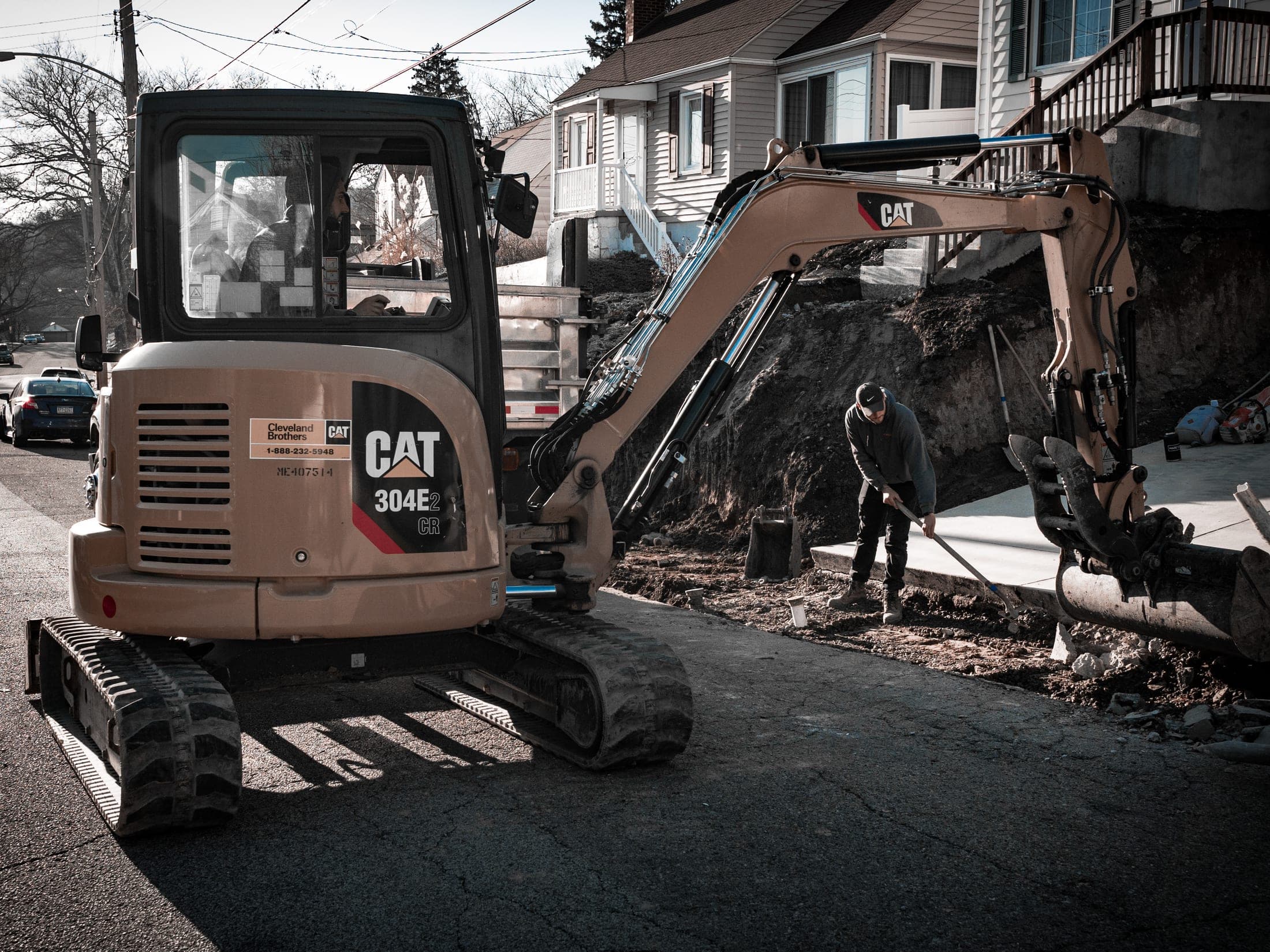
For a typical residential pool, a mid-size excavator opens the hole in a single day on a cooperative site. The operator digs to the engineered depth, leaving the walls slightly oversized so there is room to set forms or a fiberglass shell and pack backfill around it. In Western PA the second or third bucket almost always hits clay, and it is not unusual to strike shale or a sandstone ledge partway down.
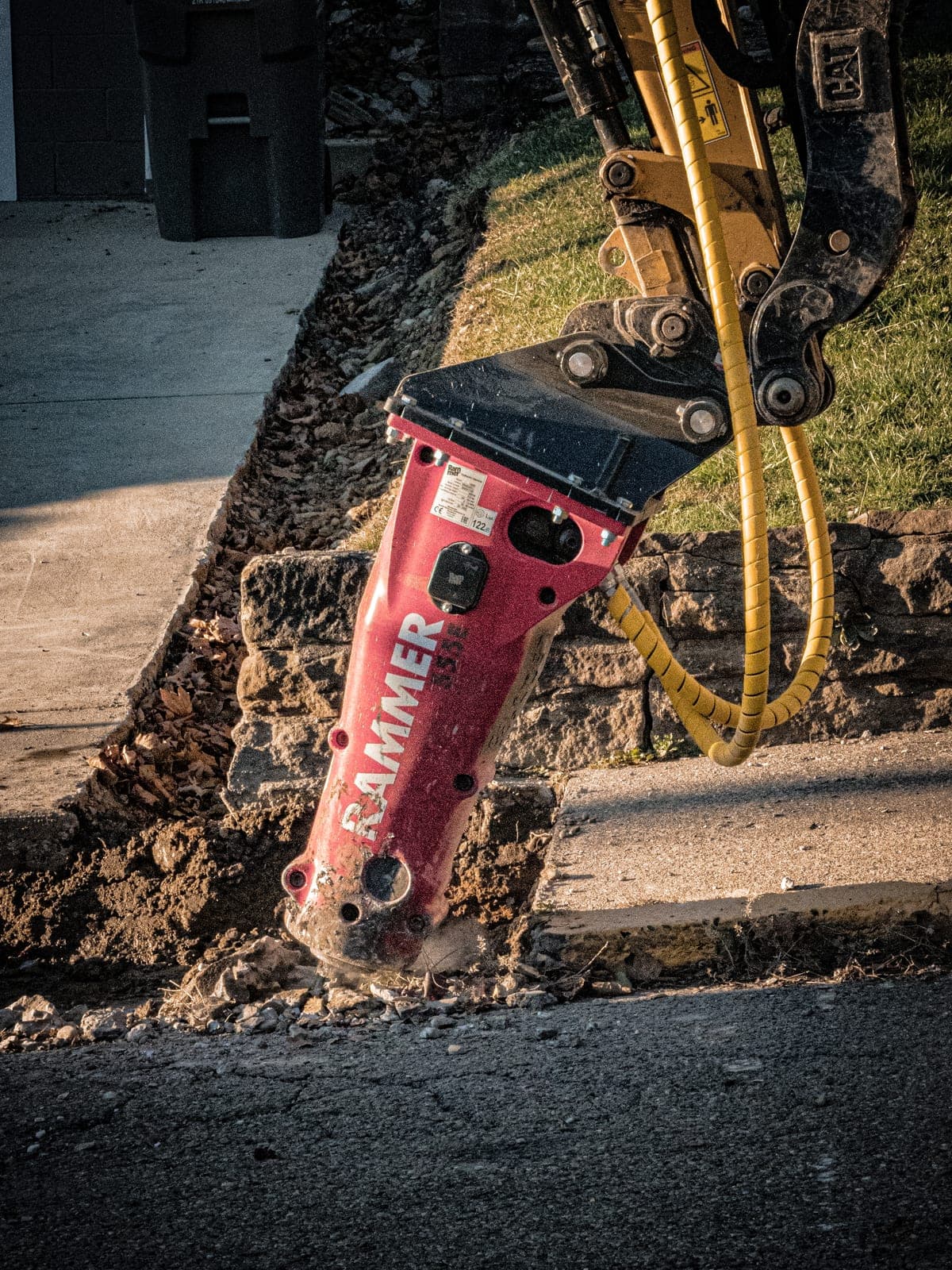
Rock changes the day. A standard bucket cannot break sandstone, so the crew switches to a hydraulic hammer, and progress slows from hours to days. This is the single most common reason a dig runs over on a Butler County or North Hills lot. A builder who has worked the region for years reads the topography and the neighbors’ experiences and prices a realistic rock contingency into the contract rather than surprising you with a change order once the hammer comes out.
Site access: the hidden variable
The question that controls the whole earthwork budget is simple: can the machines reach the hole? A flat corner lot where an excavator drives straight from the street to the back yard is the easy case. A pool at the bottom of a sloped, fenced Fox Chapel yard with a single narrow side gate is the hard one.
When full-size equipment cannot fit, the options all add time and cost: bring in a compact excavator that moves less dirt per pass, remove a section of fence and reset it afterward, lay down ground protection mats across a finished lawn, or in the tightest cases hand-dig portions of the hole. Access also dictates how the spoil leaves. If a truck cannot back up to the excavation, every bucket of dirt gets relayed to a staging point first, which is slower and pricier.
Spoil: hauling the dirt away
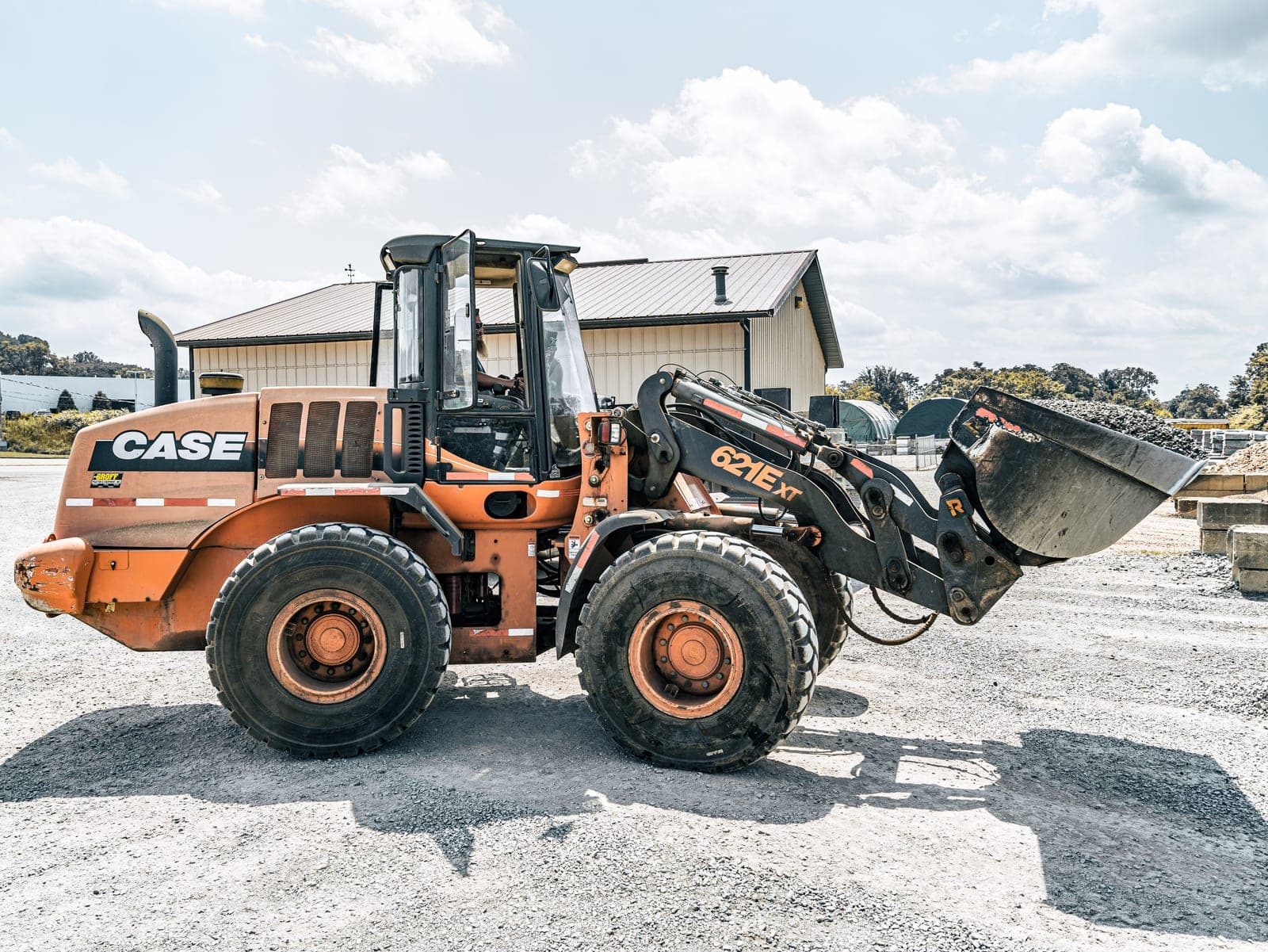
A pool excavation generates a surprising volume of soil. A modest in-ground pool produces well over a hundred cubic yards of spoil, and heavy wet clay is dense and heavy to move. The first question is whether any of it can stay on site. Clean fill can sometimes be spread to raise a low corner of the yard, build up a berm, or backfill a grade change elsewhere on the property, which saves real money on haul-off.
More often, especially on tight suburban lots, most of the spoil has to leave. That means tandem dump trucks, tipping fees at a clean-fill site, and the labor to load them. Clay is regulated as clean fill in Pennsylvania only when it is verifiably uncontaminated, so a reputable hauler tracks where it goes. For projects that also involve significant earthmoving beyond the pool itself, some builders partner with a dedicated earthwork specialist. Pittsburgh firms such as Dirt Works focus specifically on excavation and grading, and on complex sites that division of labor can keep the dig moving.
Grading and the level pad
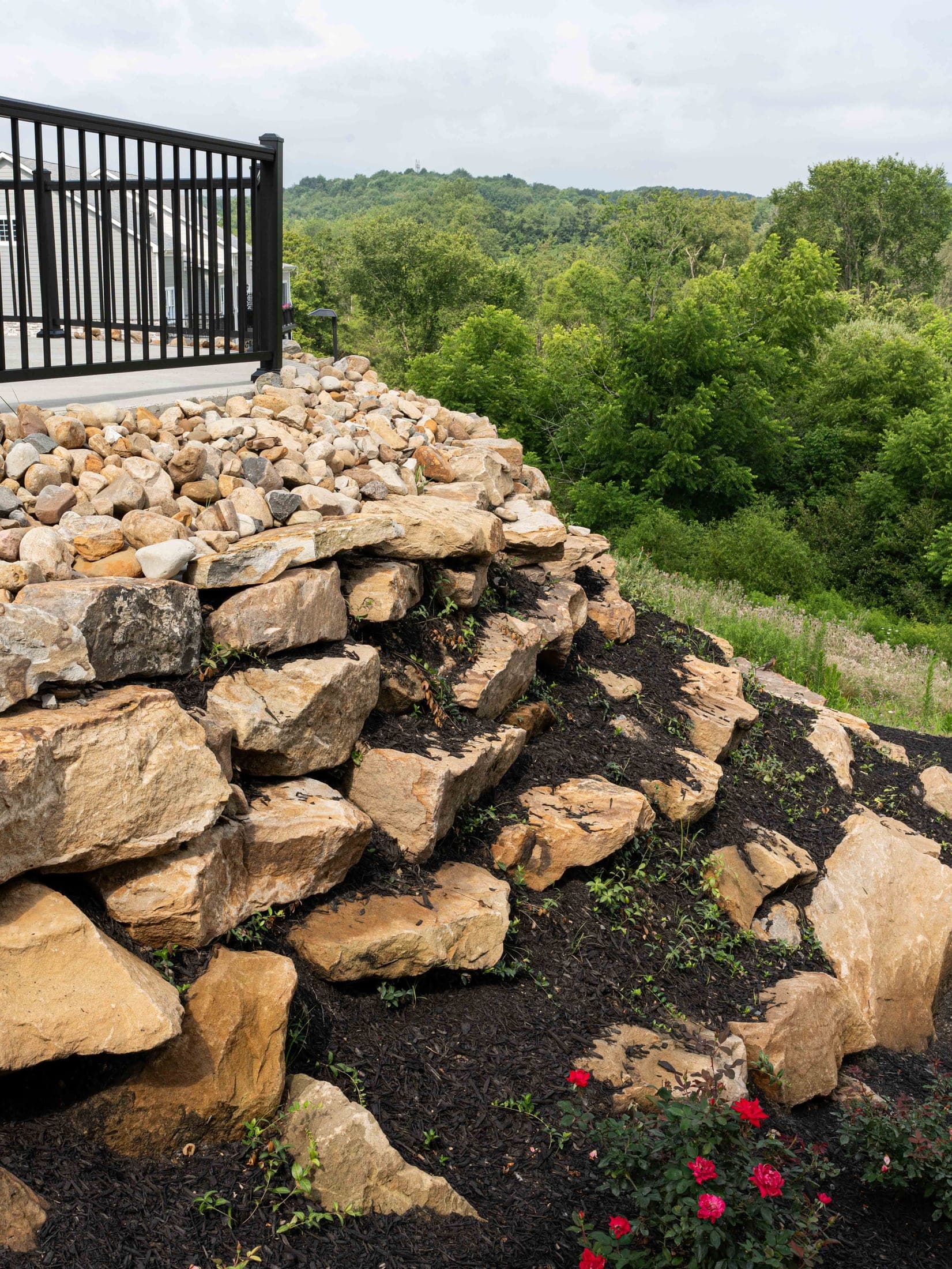
Digging the hole is only half the earthwork. The ground around the pool has to be shaped so the finished deck sits level, drains away from the pool, and ties cleanly into the rest of the yard. On the flat lots of Butler County this can be straightforward. On the sloped lots that dominate the North Hills, creating a level pool pad usually means cutting into the hillside on one side and building up on the other.
That is where retaining walls enter the picture. A level pad carved from a slope needs a wall to hold the higher ground back, and the height of that wall drives a large share of the total project cost. The grading plan, the wall, and the pool elevation all get worked out together before the dig, because the finished deck height determines how deep the hole needs to be and where the spoil and imported stone balance out.
Drainage before the shell
This is the step that separates a pool that lasts from one that fails, and it happens entirely underground where no homeowner ever sees it. Western PA clay does not drain. Water that collects against or beneath a pool shell has nowhere to go, and when it freezes it expands with enough force to crack concrete and shift a fiberglass shell out of level.
The defense is stone and pipe. A proper install backfills around the shell with washed #57 stone rather than the native clay, giving groundwater a path to move. A perforated drain line, often run to a sump or a gravity outlet at a lower point on the lot, carries that water away from the pool structure. On the wettest sites the crew may also set a hydrostatic relief valve in the floor so rising groundwater can equalize instead of floating the shell. None of this shows up in the finished photos, but it is the reason a well-built Western PA pool sits dead level a decade later while a cheap one telegraphs every freeze.
The takeaway: the earthwork phase is invisible in the final result, which is exactly why it gets cut on low bids. Ask any builder how they handle rock, spoil, grading, and drainage in writing before you sign. The answers tell you more about the finished pool than any rendering.
If you are still scoping the overall budget, our 2026 Western PA pool cost guide breaks down how excavation, access, and drainage factor into the total price by tier. And when you are ready to talk about your specific yard, our pool installation page covers the full build from dig to first swim.
Plan your pool the right way
Every good pool starts with an honest read of the dirt. Reach out and we will walk your site, talk through access and drainage, and give you a realistic picture of the earthwork before anyone quotes a number.