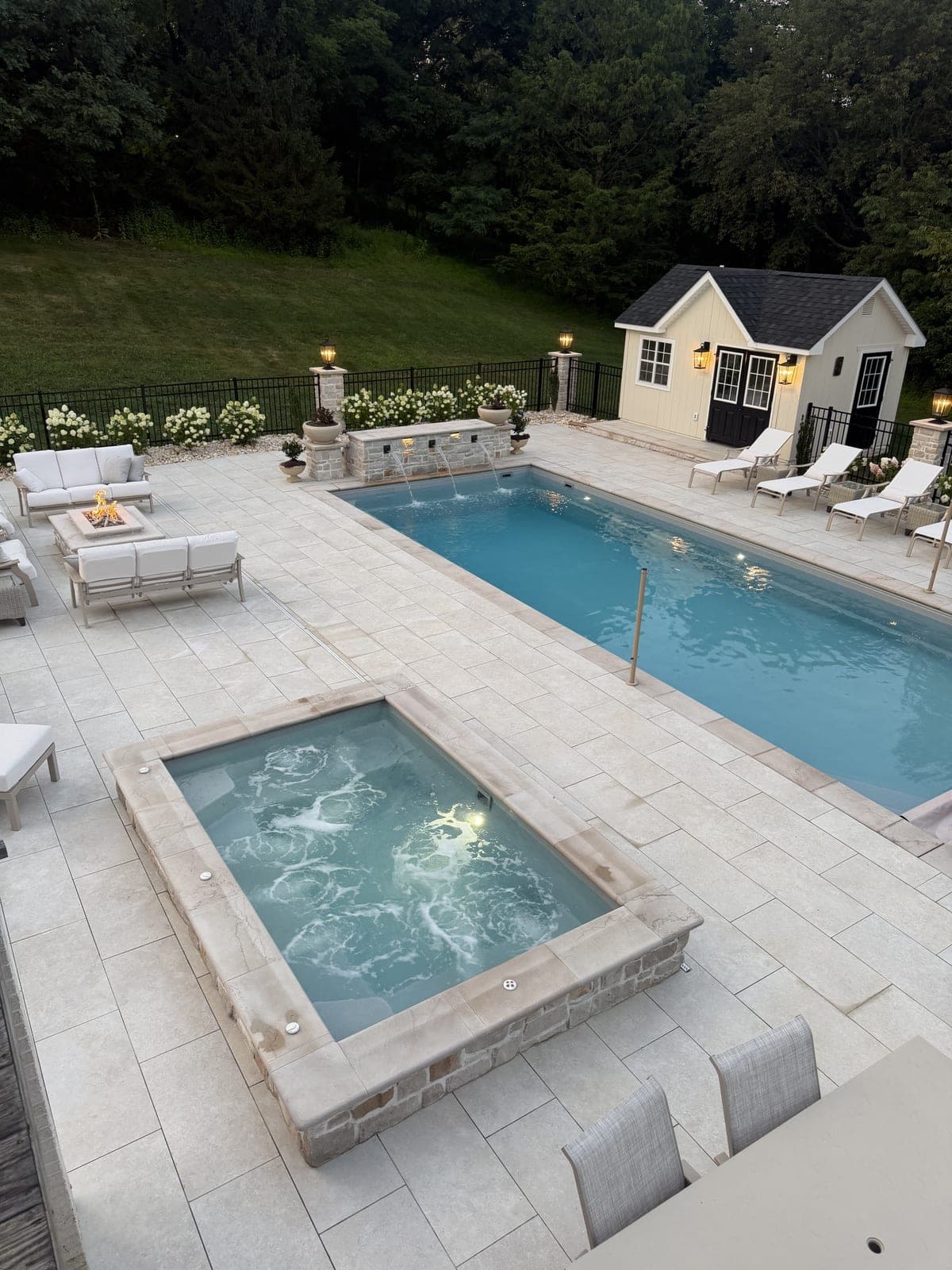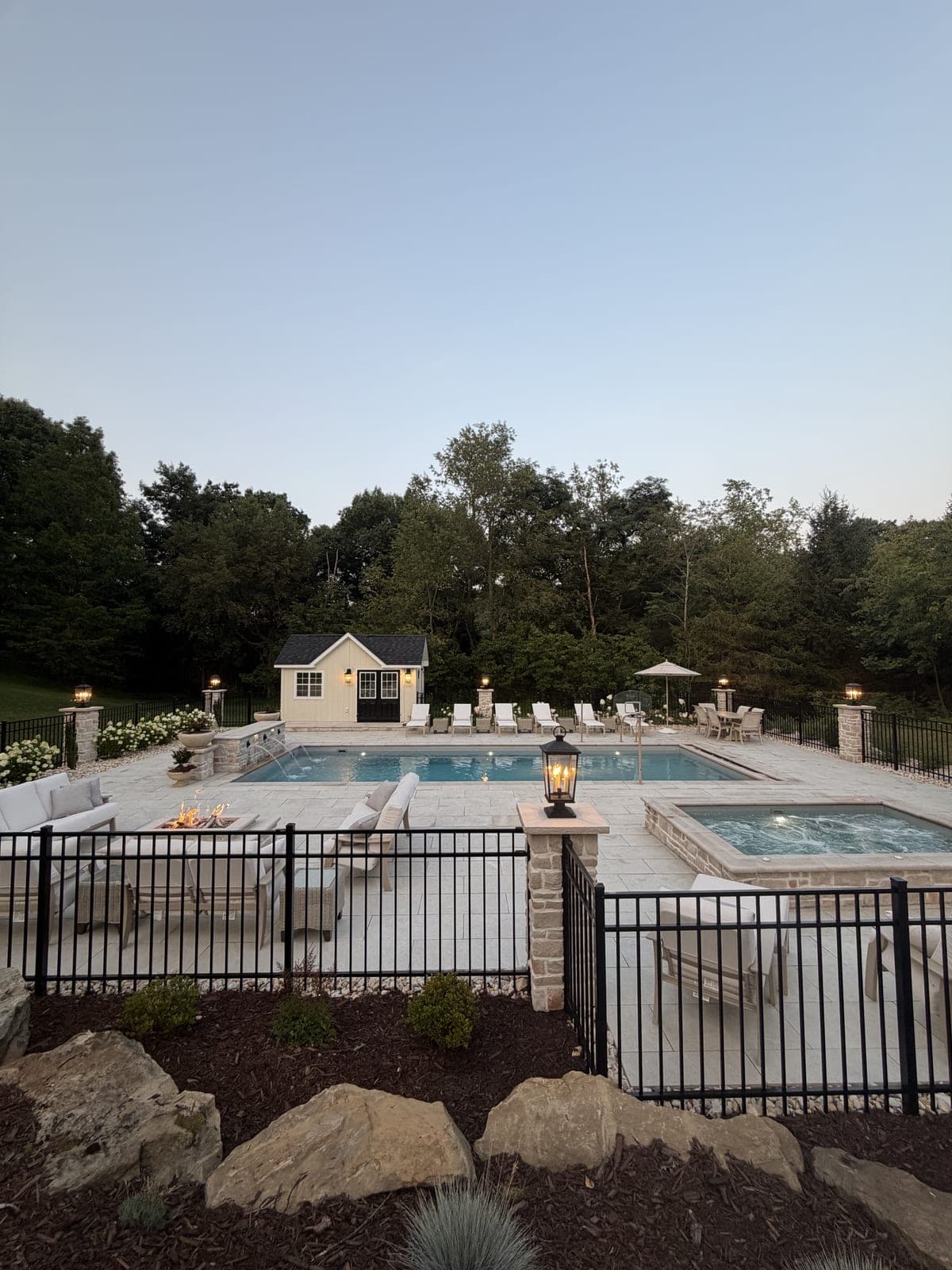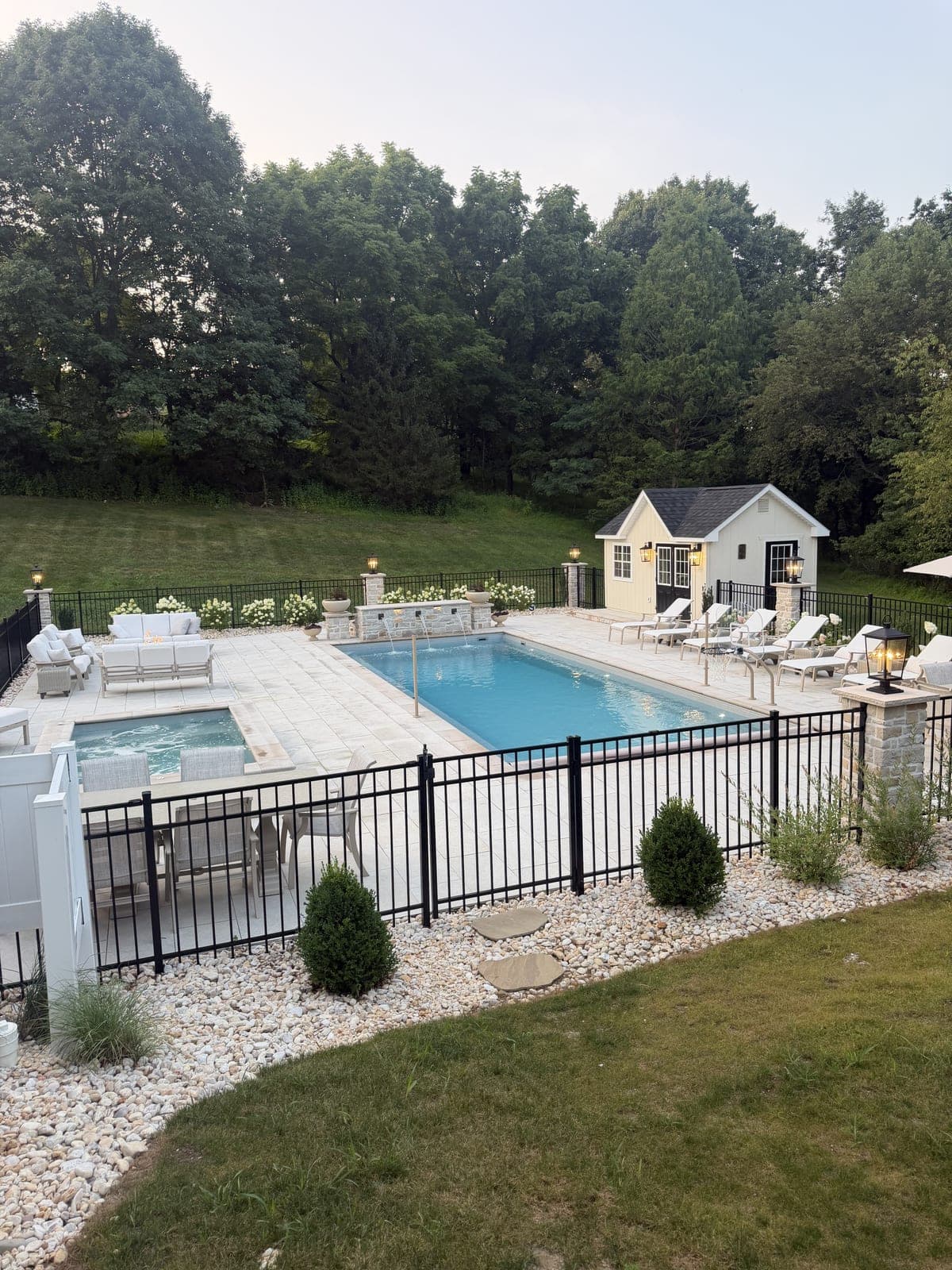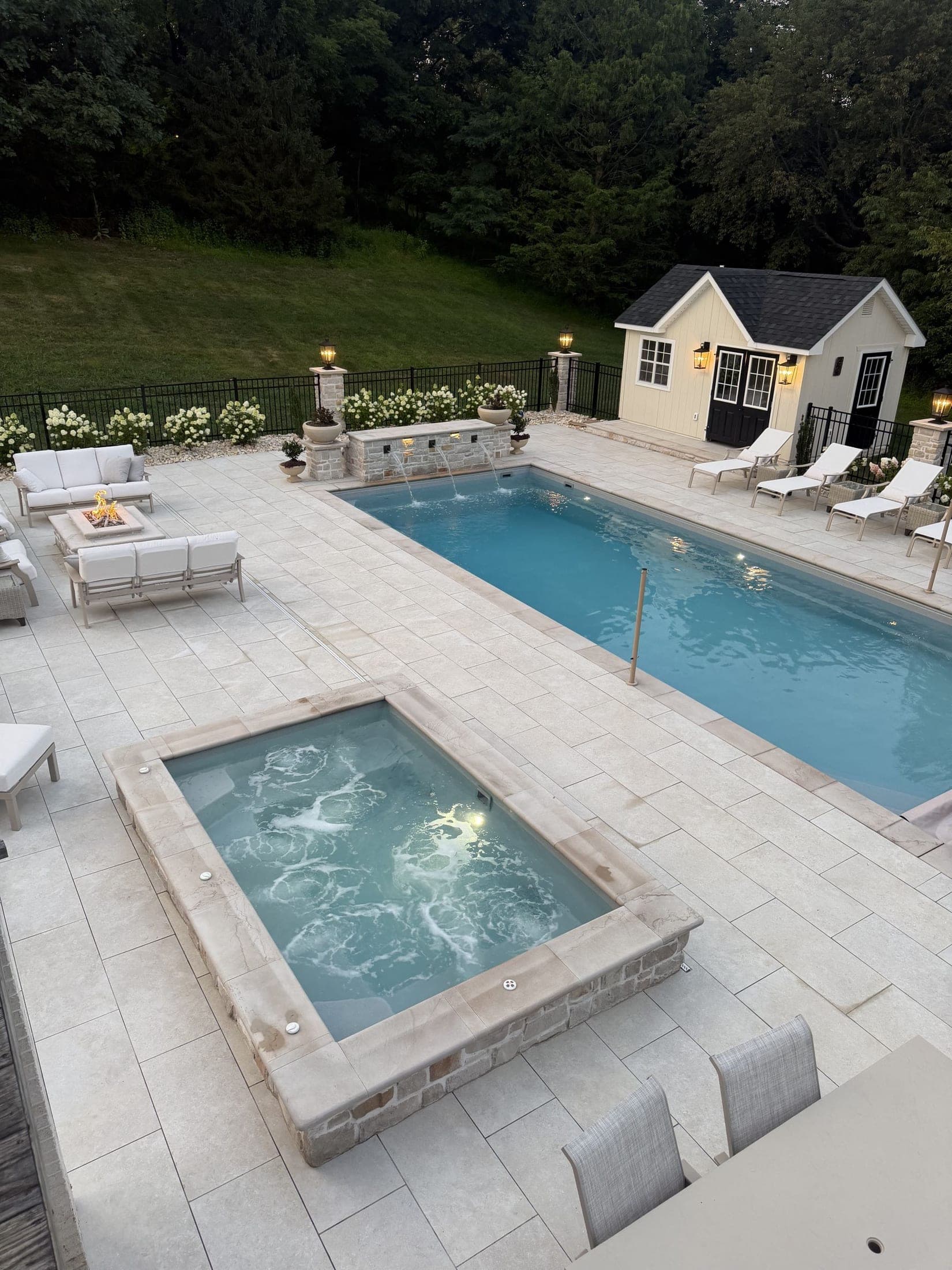
A Pittsburgh pool does not stay open year-round, and that changes how you should think about maintenance. The season here is roughly Memorial Day to early fall, bookended by an opening and a closing that matter as much as anything you do in July. Skip or rush either one and freeze-thaw, Western PA’s hardest climate test on a pool, finds every shortcut by spring. This guide walks through the full-year rhythm: getting the pool open and balanced, holding it through the season, and closing it the right way for our winters.
On this page
The Pittsburgh pool season, start to finish
Most Western PA pools open in May, once overnight temperatures stop dropping near freezing, and close by early to mid-October, before the ground starts its first hard freeze-thaw cycles. That is a shorter window than pools see in warmer states, which is exactly why the two transition points carry so much weight. A pool that is opened carelessly starts the season fighting cloudy water and stained plaster. A pool that is closed carelessly can crack a line, split a skimmer, or heave a section of coping over the winter, damage that shows up as a repair bill in April instead of a maintenance line item in October.
Between those two points, the goal is simple: keep the water balanced and keep debris moving out faster than it moves in. The specifics below cover each phase.
Opening your pool in spring
A good spring opening follows the same order every year:
- Clear the cover first. Sweep or pump off standing water and debris before pulling it, so nothing dumps into the pool as you remove it.
- Reconnect and inspect equipment. Reattach the pump, filter, and any heater, and check hoses, O-rings, and fittings for winter cracking before you run anything.
- Bring the water level up to mid-skimmer, then start circulation and let it run continuously for the first day or two.
- Test and rebalance from scratch. A pool that sat all winter needs a full chemistry reset, not a small correction. Expect to work through alkalinity, pH, and chlorine in that order, then shock it before anyone swims.
- Clean the shell. Brush and vacuum whatever settled over the winter before the water clears fully; it will not clear on its own with sediment still sitting on the floor.
Give a spring opening a few days to fully stabilize. Water that looks hazy the first 48 hours after startup is normal; water still hazy after a week points to a filter or circulation problem worth a closer look.
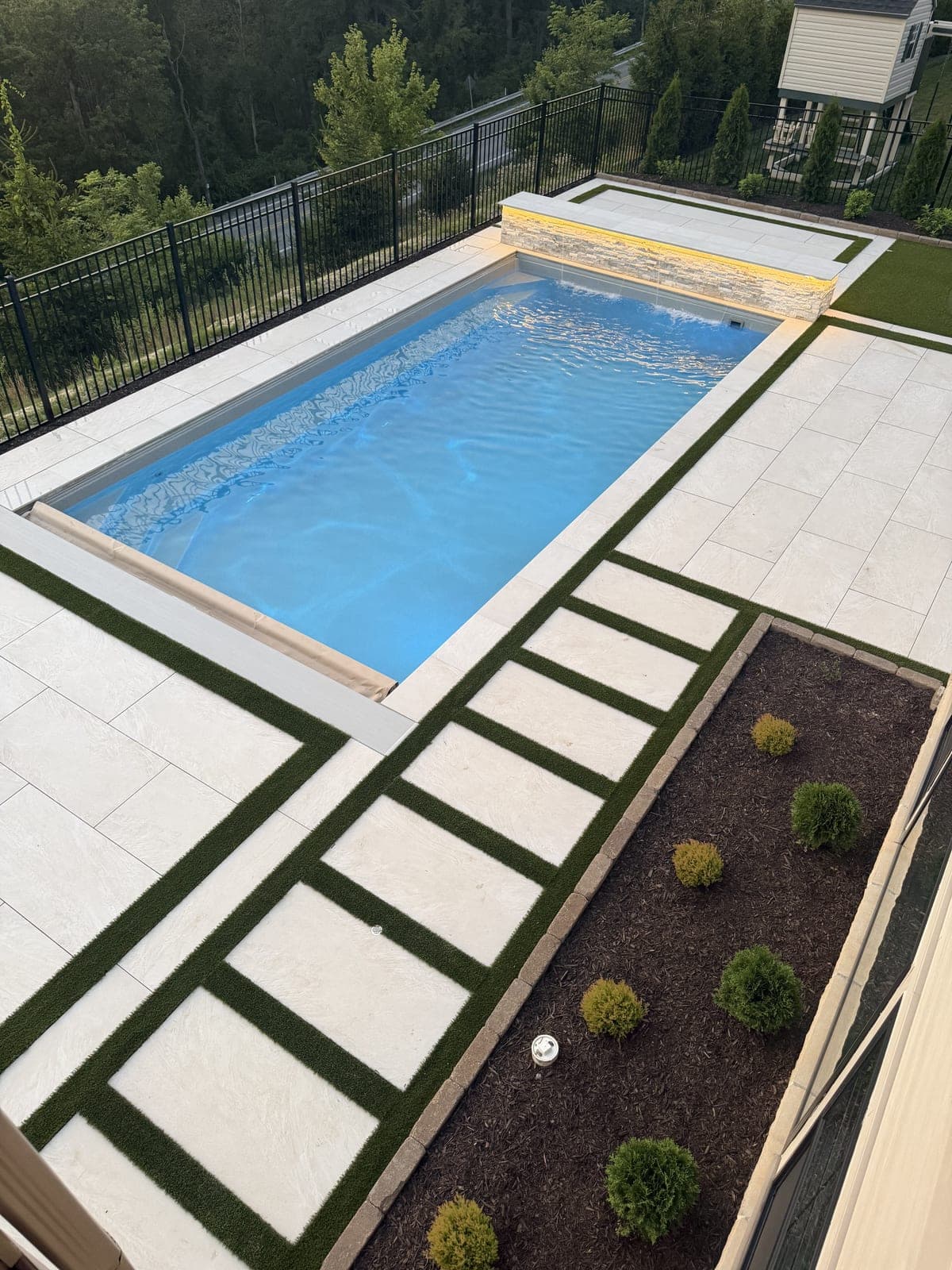
Staying ahead of it through the season
Once the pool is open, the job is holding a steady weekly rhythm rather than reacting to problems. Skim daily, brush weekly, run the pump long enough for the water to fully turn over each day, and test at least twice a week, more often after a storm or a weekend of heavy use. Peak summer, especially the water chemistry targets and the common problems that show up in July heat, is its own topic. Our mid-summer pool care guide covers that ground in detail, ranges, weekly checklist, and what cloudy or green water is telling you, so this guide will not repeat it here.
Closing your pool for winter
Closing is where a Pittsburgh pool earns or loses its next season. The freeze-thaw cycles that move our soil all winter are the same forces that crack an improperly winterized line or heave a deck that was not graded and drained correctly when it was built. A proper closing routine:
- Balance the water before you cover it. Chemistry left unbalanced under a cover for five months does more damage than a season of neglect while the pool was open.
- Lower the water level below the skimmer and any fittings that could crack if water inside them freezes and expands.
- Blow out and plug the lines. Trapped water in plumbing is the single most common cause of a cracked line over a Western PA winter.
- Add a winterizing chemical kit to keep algae from taking hold under a dark, still cover for months.
- Fit a properly rated cover and check it through the winter after heavy snow; a sagging cover can let in meltwater and debris.
A pool built with the right excavation, grading, and drainage in the first place makes every winter after it easier. Our guide to excavation and grading for a new pool in Western PA covers the earthwork that decides whether a pool sits level and dry through decades of freeze-thaw.
DIY versus calling a pro
Weekly skimming, brushing, and routine testing are homeowner jobs, and most weeks they should be. A few moments in the year are worth a professional instead:
- Opening and closing. Both involve equipment, plumbing, and chemistry decisions that are cheap to get right and expensive to get wrong. Many owners have us handle these two visits and manage the routine care themselves in between.
- Equipment that will not start, prime, or hold pressure. Guessing at a pump or filter problem tends to cost more than a diagnostic visit.
- Cracks, movement, or a suspected leak. These are often symptoms of what is happening underground, not just at the surface, and are worth a proper look before winter locks the site up.
Elements offers seasonal opening and closing service, along with repairs, for pools across Pittsburgh and the North Hills, including ones we did not build. If you would rather hand off the transitions and keep the in-between weeks simple, that is exactly what the service is for.
If you are still planning a pool rather than maintaining one, our pool installation guide and 2026 pool cost guide cover the process and budget, and you can see how we approach a build on our pool installation page.
Get help opening, closing, or maintaining your pool
Tell us what your pool needs and we will give you a straight answer, whether that is a single seasonal visit or ongoing care.
Get in touch